

Sculpture and Interior Design: Why Art Transforms a Space More Than Furniture
In the world of interior design, some elements are chosen because they are functional — tables, chairs, lighting — and some because they give a space its identity. Sculpture is exactly that point where a space stops being just “nice” and becomes personal, recognizable and spiritually engaging.
We can change the wall color, bring in a new piece of furniture or add textures, but nothing affects the atmosphere of a space as quickly and as powerfully as the presence of a sculpture. It is, in the truest sense of the word, an energetic node of the interior — a small epicenter that draws the eye, calms or energizes the room, opens a topic for conversation and, above all, gives an authentic tone to the living environment.
Sculpture as a Vertical of Identity
While a painting needs a wall, a sculpture lives in space. It has volume, shadow and physical presence. Architects and interior designers often tell their clients: “If you want a space that speaks, add a sculpture.”
Why? Because sculpture communicates on several levels at once — visual, symbolic, spatial and emotional. In a contemporary home, a single good piece is enough to turn a neutral interior into an environment with character. It doesn’t matter whether the style is minimalist, eclectic or classic — sculpture works as an element that connects styles and brings depth.
The Role of Sculpture in the Architecture of Space
In professional interior planning, there is a simple rule: there is no good space without a focal point. Sculpture fulfills that role in the most natural way.
It can:
- complete the overall composition of the space
- accentuate the transition between two zones
- introduce verticality and break the horizontal monotony of furniture
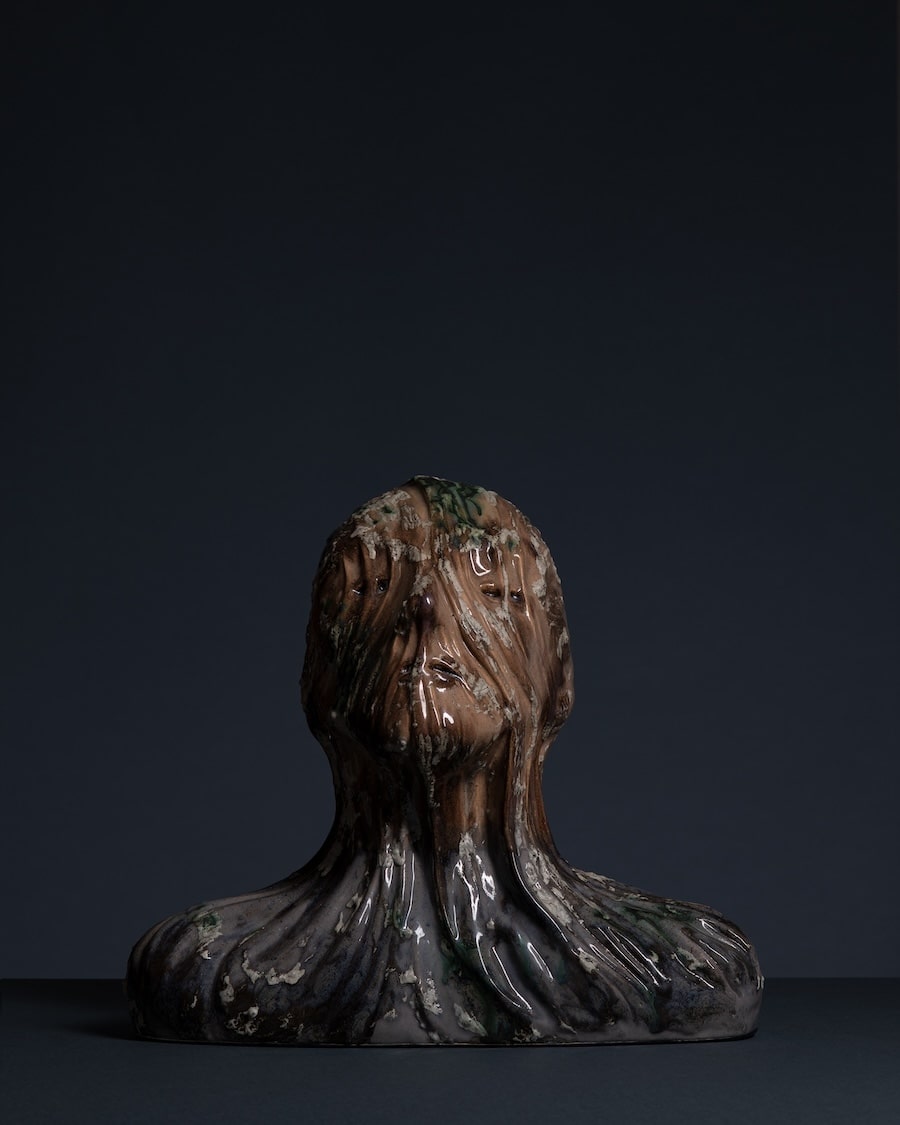
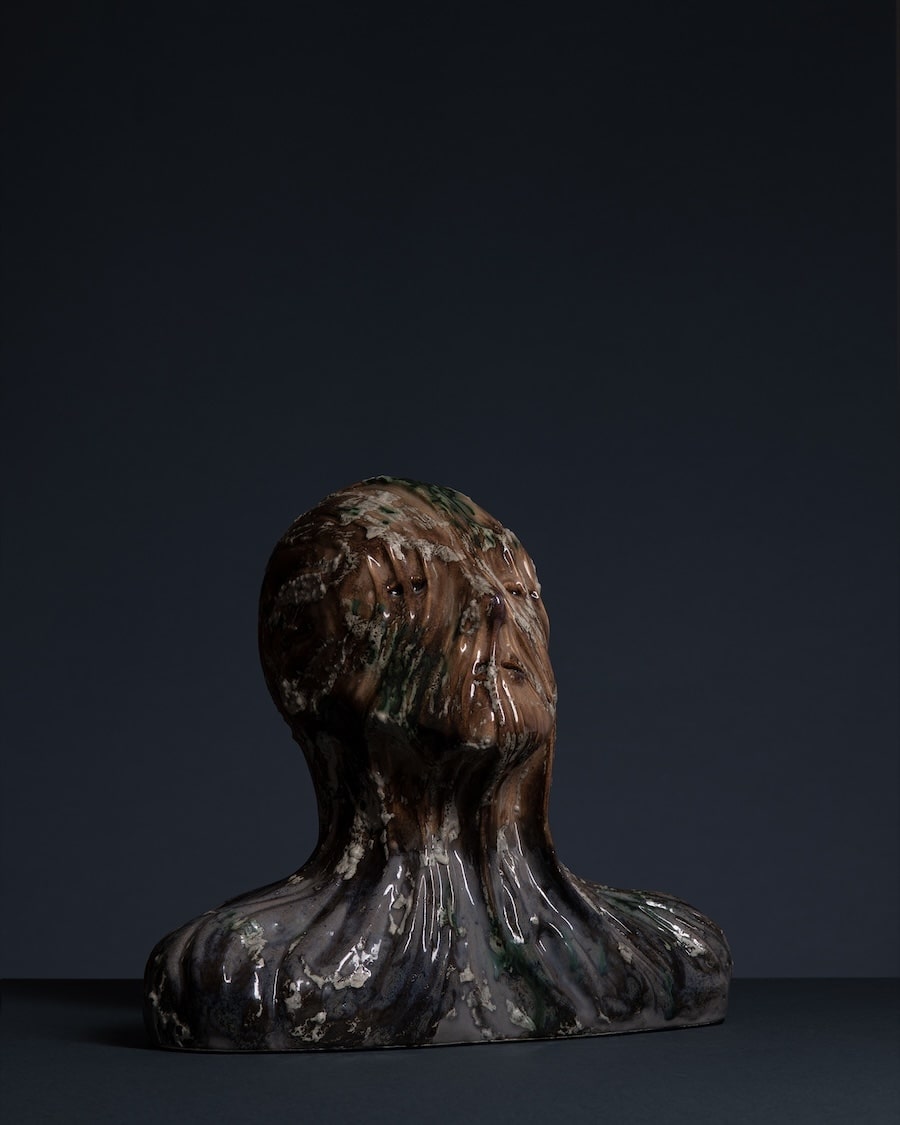
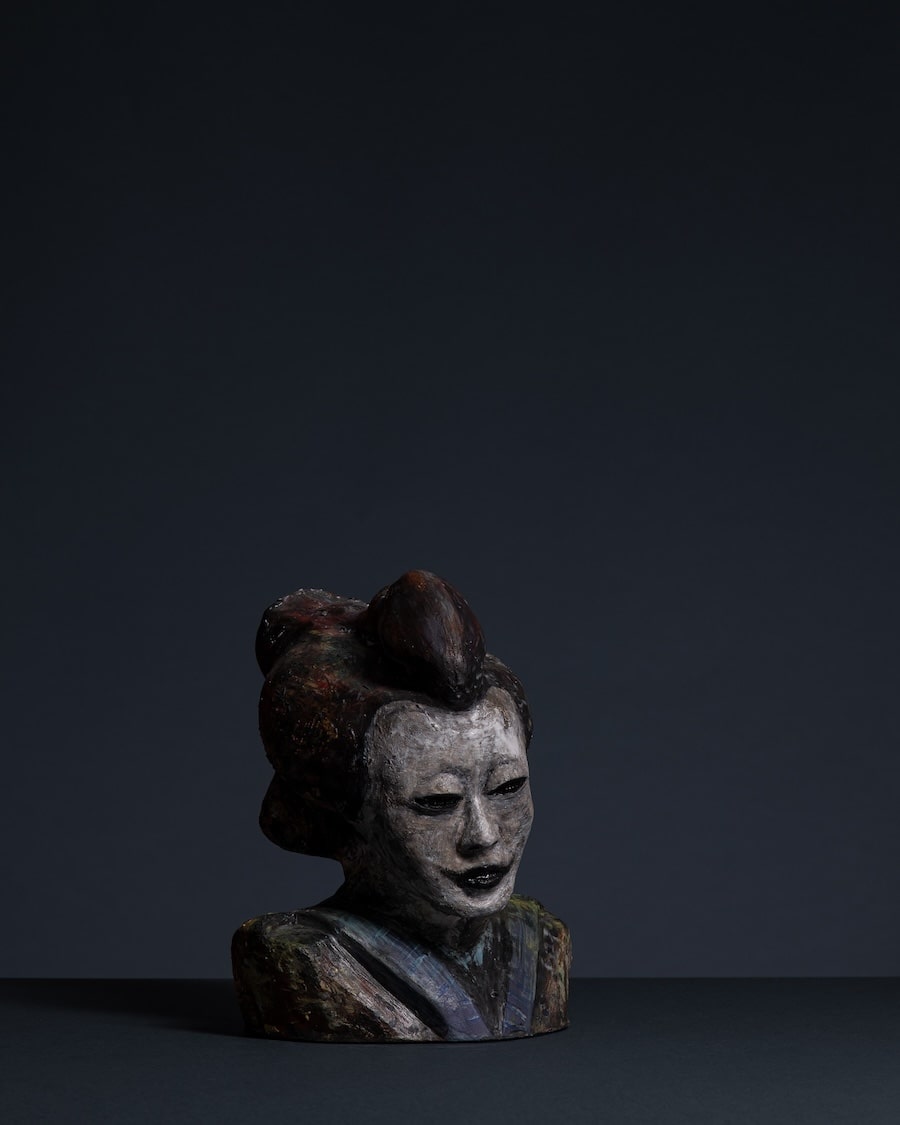
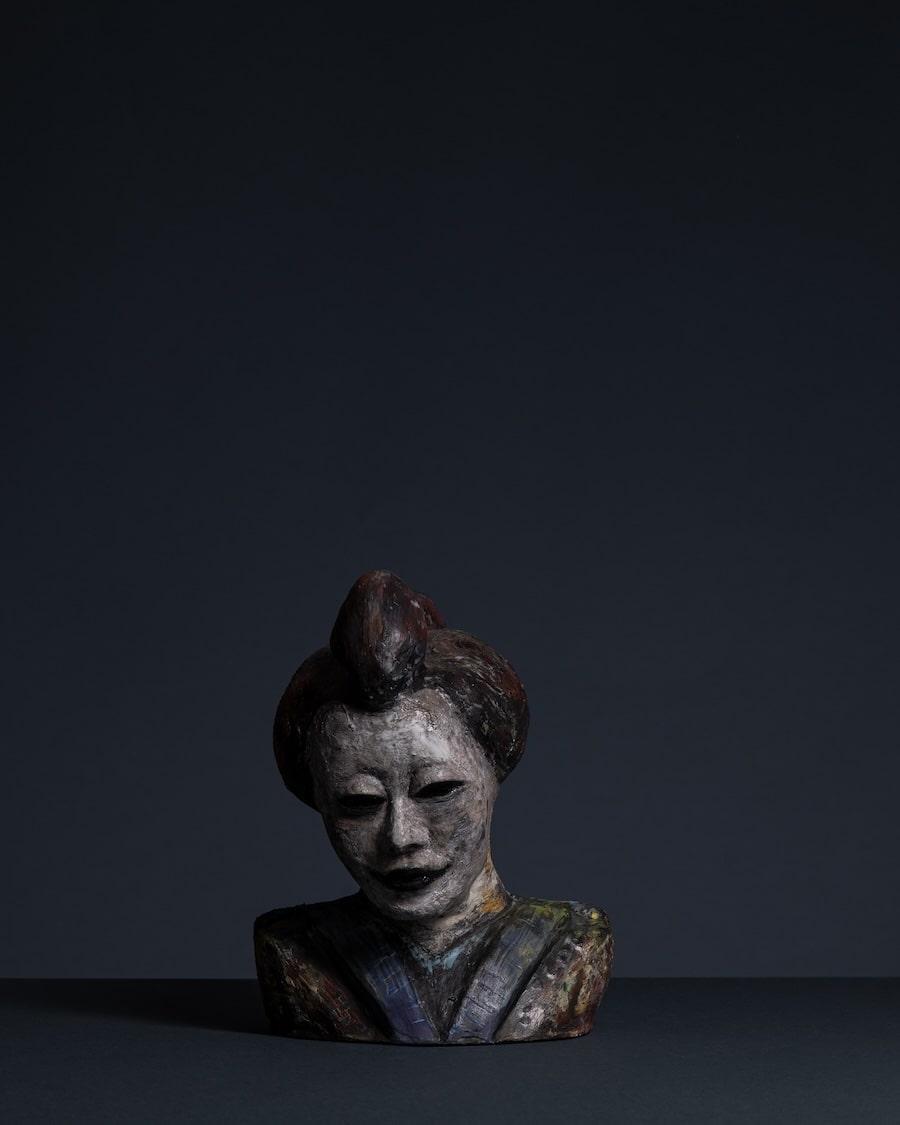
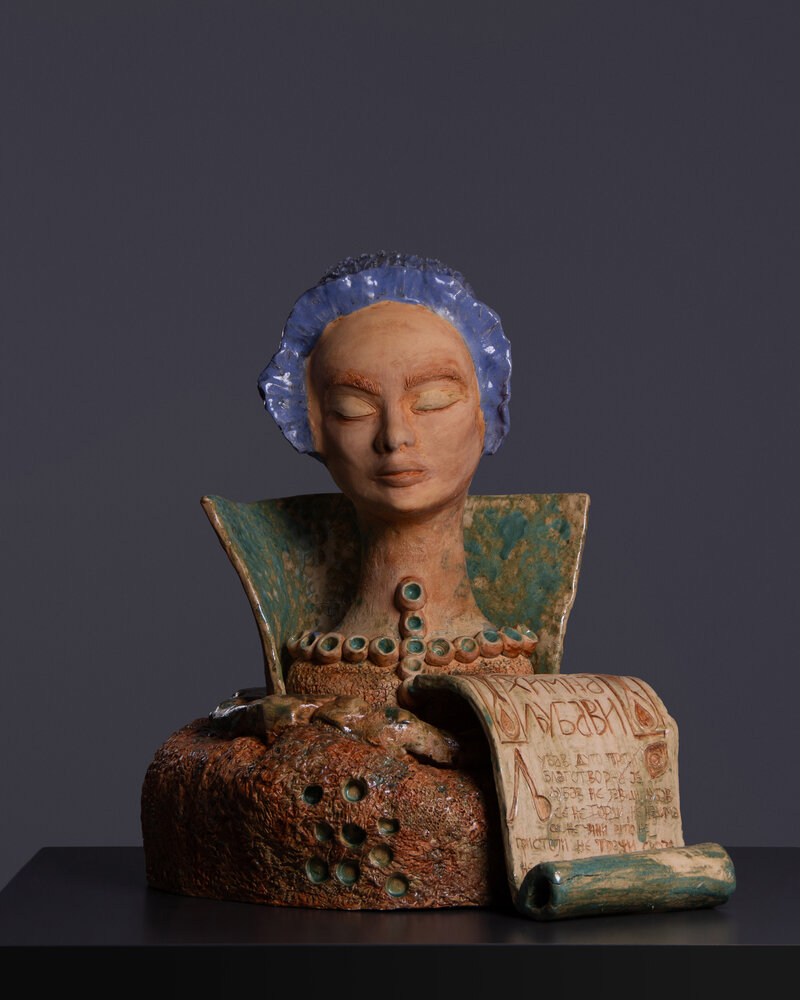
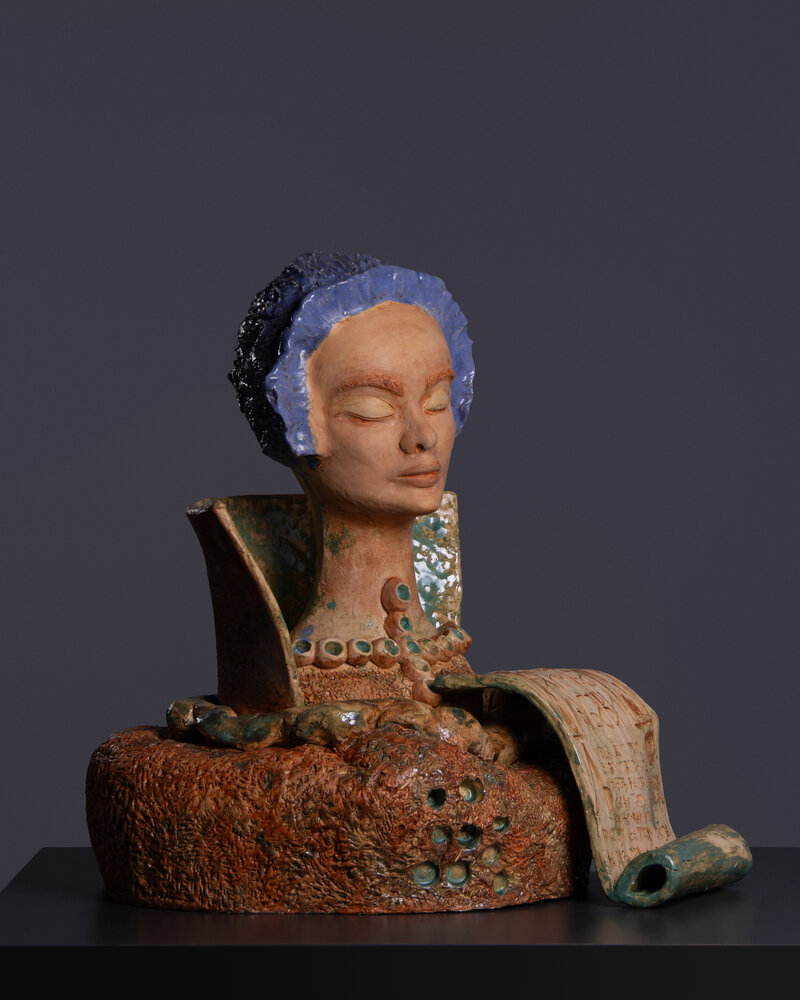
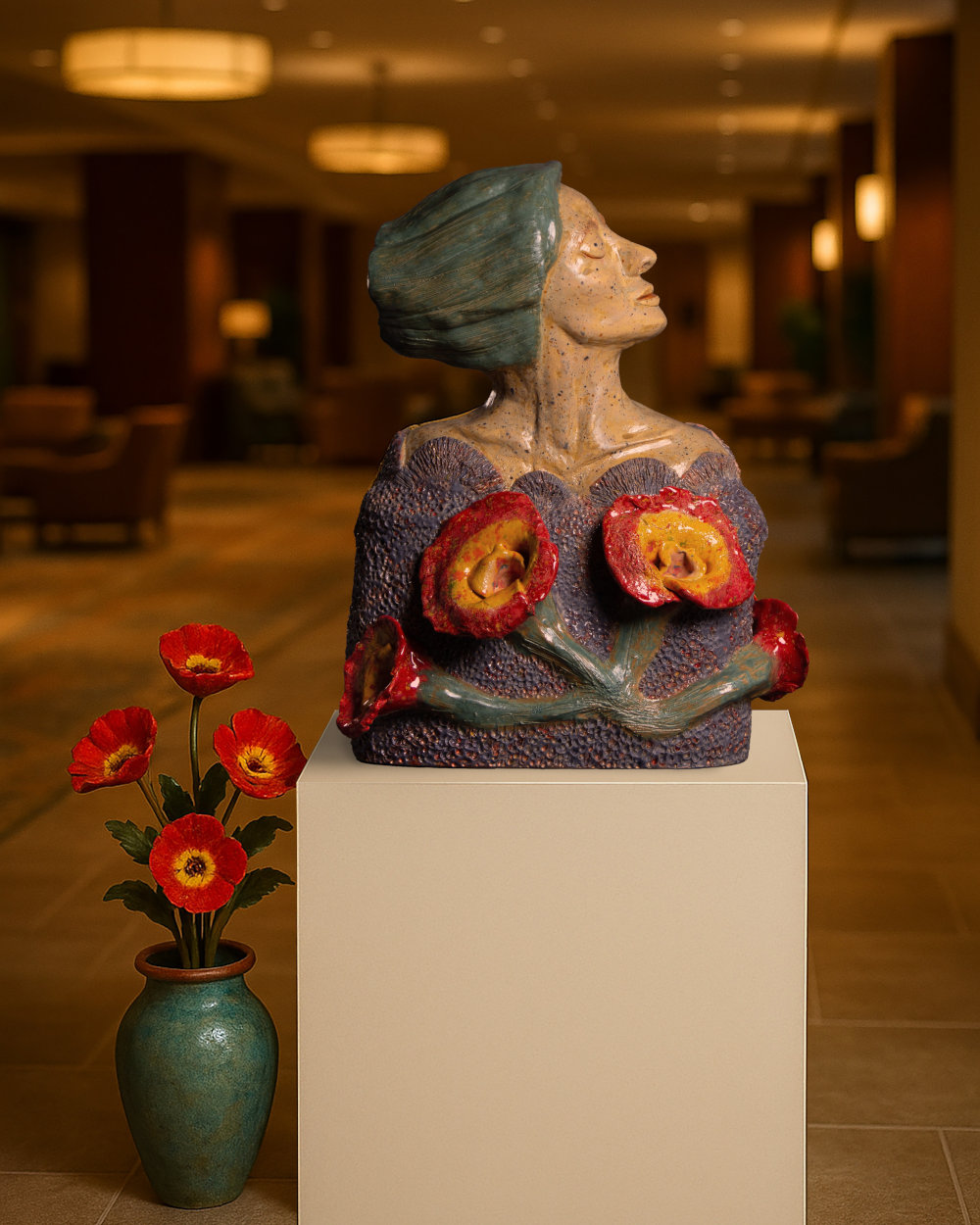
A handmade ceramic sculpture carefully chosen for a sideboard in the living room, or a monumental piece placed in the entrance hall, immediately creates the impression of a space that has been thoughtfully designed, rather than randomly furnished.
The Emotional Layer — Why Do Sculptures Awaken Feelings?
Art critics often say that sculpture is the most intimate form of visual art because it has three-dimensional presence — it feels more immediate and direct to the viewer. Sculptures carry gesture, the energy of the hand, traces of pressure and the flow of the artist’s thoughts. Ceramics especially — through the process of shaping earth, fire and time — carries an essential warmth.
There are four key reasons for this:
- Space and presence – A sculpture occupies real space; you can walk around it, look at it from every angle, so its presence is felt more strongly and the experience is more authentic.
- Physical trace of the artist – The shaping of clay, stone or metal bears visible traces of the hand, the tools and the process; the viewer can almost “feel” the effort and energy of the artist.
- Emotional interaction – Sculpture often invites introspection: you look at it, stand beside it, and it “communicates” directly through form, texture and proportion.
- Durability and weight – Unlike a painting, which is flat and sometimes purely decorative, sculpture is tangible and present, which creates a stronger emotional impact.
When you bring a sculpture into your home, you are not only adding decoration — you are bringing in a narrative. Every figure becomes a kind of companion, even when it is abstract. In a living space, this works almost therapeutically: it introduces calm, continuity and a sense of presence that is not loud, yet very powerful.
Why Sculpture Has Both Material and Immaterial Value
Buying an artwork is not the same as buying decoration. The difference lies in durability, quality and emotional value. A sculpture does not go out of fashion. It does not become outdated.
That is precisely why investments in sculpture are often considered long-term:
- they are durable,
- they are unique,
- they carry the artist’s signature and idea,
- and their impact grows over time instead of fading.
The Contemporary Home and the Need for Authenticity
In a world of mass production and repetitive interior trends, people increasingly look for objects that have a “soul” — something that is not from the same line, same series, same trend wave. Sculpture responds to that need better than almost any other element. It gives the space what designers call an author’s stamp.
That is why the role of contemporary studios — such as Renome Arte — is so important. Their ceramic sculptures combine craftsmanship, emotional depth and aesthetic universality, which makes them easy to integrate into both modern and traditional interiors.
How to Choose the Right Sculpture?
Experts usually recommend the following:
- Choose a piece that attracts you intuitively. If you keep coming back to it with your eyes — that is a good sign.
- Think about the space, but also about the emotional atmosphere you want to create: calm, dynamic, contemplative, warm…
- Less is more — one strong artwork is more valuable than five purely decorative ones.
- Give priority to original, author pieces over industrial production and mass decor.
Conclusion: Sculpture Is Not an Object — It Is a Presence
Sculpture in the interior is not just a beautiful addition. It is a cultural statement, an aesthetic compass and a daily reminder that a living space can be more than functional — it can be inspiring.
And when an artwork starts to live in a space, it slowly begins to change us as well.
Aleksandar Brzaković